

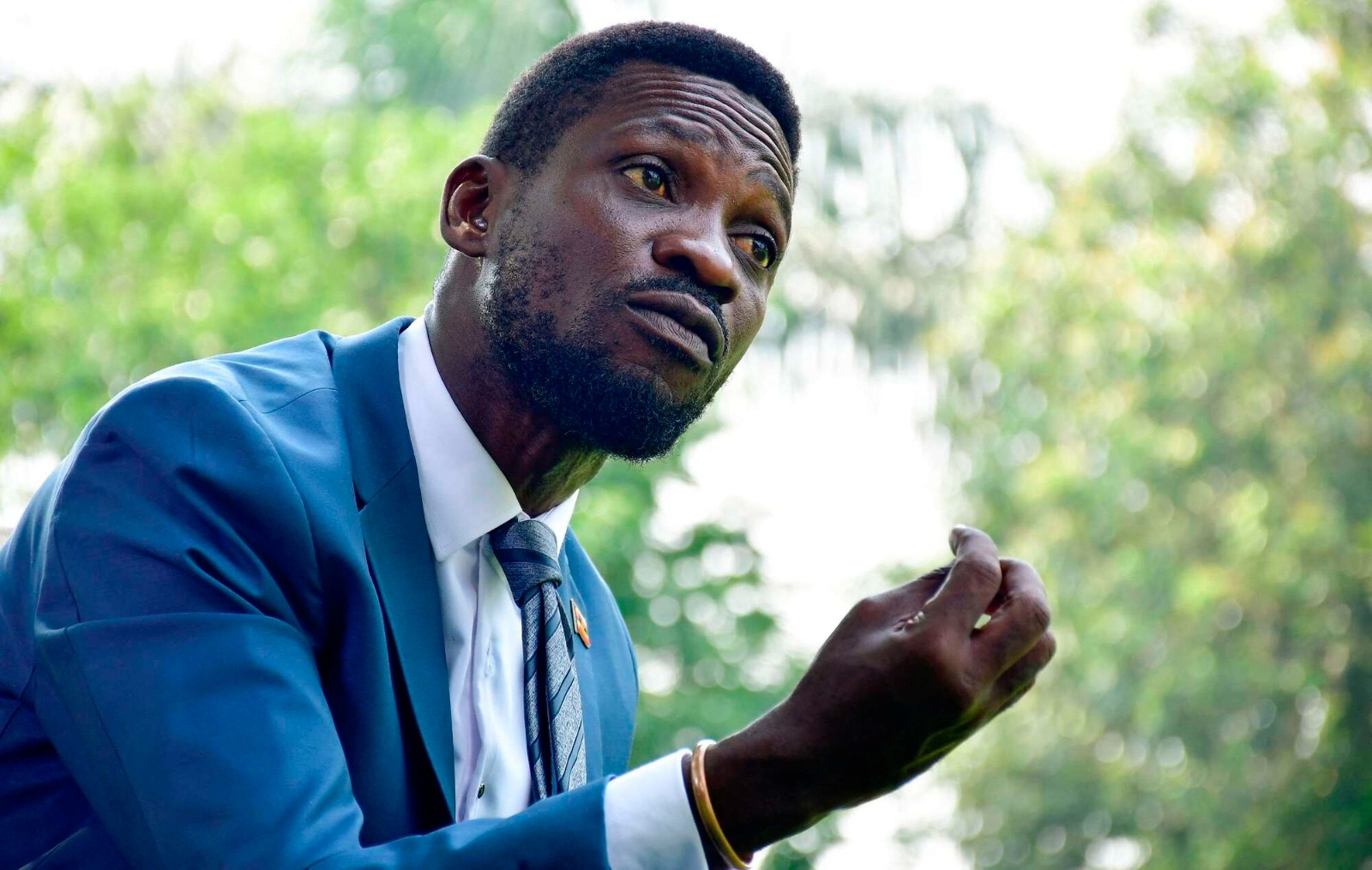
Ugandan opposition leader and former presidential candidate Robert Kyagulanyi, popularly known as Bobi Wine, has ruled out engaging in what he calls “transactional” dialogue with the government, insisting that any talks must be rooted in principle not personal bargaining.
Speaking during a recent interview, Kyagulanyi made it clear that his position on dialogue has not changed, but warned that he will not negotiate for his own freedom.
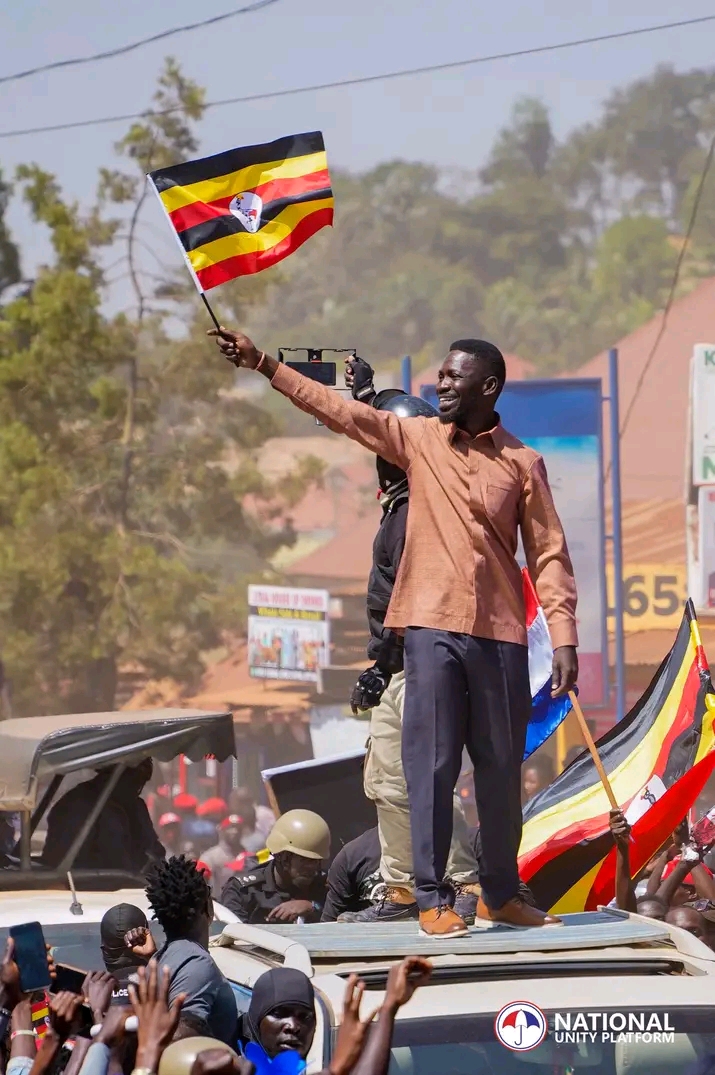
“We have never been disagreeable to dialogue. We are for dialogue but we don’t believe in transactional dialogue. We believe in constructive and principled dialogue. I’m not going to negotiate [for] my freedom; my freedom has to be guaranteed,” he stated.
Kyagulanyi’s remarks come in the wake of the disputed January 2026 presidential election, which left the country politically charged.
The opposition has consistently alleged widespread electoral fraud, illegal detentions, and the abduction of supporters affiliated with the National Unity Platform (NUP).
The situation escalated further after security forces laid siege to Kyagulanyi’s residence for nearly two months a standoff that only ended on March 24, 2026. The developments pushed the opposition leader into a self-imposed exile in the United States, where he continues to rally international attention.

Kyagulanyi’s hardline stance on dialogue has sparked mixed reactions across the political spectrum.
Supporters have backed his call for the unconditional release of political prisoners and a full audit of the election results, arguing that meaningful dialogue cannot happen under intimidation.
However, critics have dismissed his concerns, questioning his claims about restricted freedom and accusing him of politicizing the situation.
The ongoing debate highlights Uganda’s deep political divide, with tensions between government supporters and opposition loyalists showing no signs of cooling down.
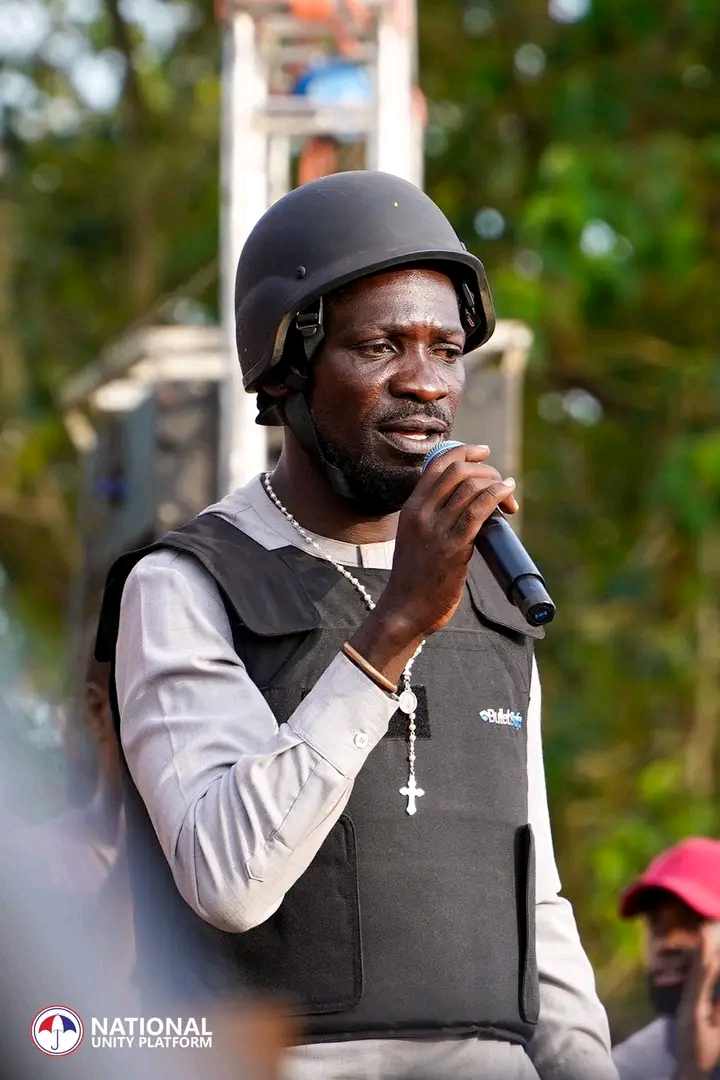
As calls for dialogue persist, Kyagulanyi’s latest stance sets the tone for what could be a prolonged political standoff one where the question of freedom, trust, and legitimacy remains at the center of it all.